
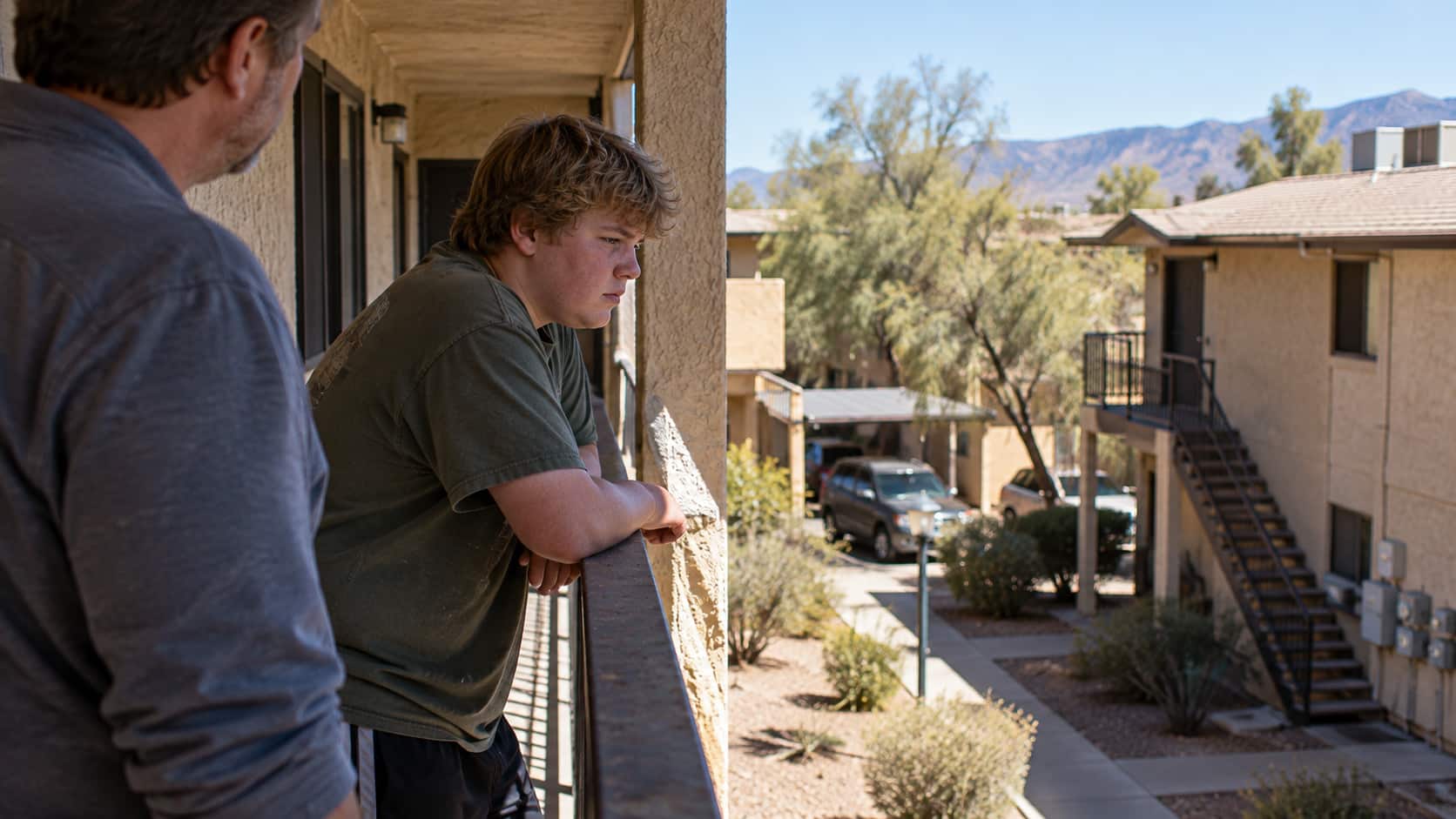
If your teenager says he doesn’t want to live, take it seriously, stay calm, and ask him directly whether he is thinking about suicide. If he is in immediate danger, has a plan, or has hurt himself, call 911 or go to the nearest emergency room. If you are not sure how urgent it is, call or text 988 (the Suicide & Crisis Lifeline) right now. It is free, available 24/7, and you can call for your son as well as for yourself.
Key Takeaways
- Any statement about not wanting to live, being a burden, or wanting to die deserves a direct, calm response, even if it was said casually or in anger.
- Asking directly about suicide does not plant the idea. It opens the door for him to tell you the truth.
- Immediate danger means a plan, intent, access to a means, or a recent attempt. That is a 911 or emergency room situation, not a wait-and-see one.
- Securing medications and locking up firearms is one of the most effective things a parent can do today.
- Support continues after the crisis. A same-day evaluation and a follow-up plan matter as much as the first conversation.
What Parents Are Seeing
- Direct comments like “I wish I wasn’t here,” “everyone would be better off without me,” or “I just want it to stop”
- Hopelessness, feeling trapped, or talk of being a burden to the family
- Giving away belongings, unusual goodbyes, or messages that read like farewells
- Pulling away from friends, family, and things he used to enjoy
- Big changes in sleep, appetite, or energy, or a sudden calm after a long stretch of being low
- Increased drinking, vaping, or drug use, or reckless behavior that seems like he doesn’t care what happens
 What May Be Underneath It
Depression
Depression is the most common thread behind thoughts of suicide in teenagers. In boys it often looks like irritability, anger, or shutting down, so parents miss it. If low mood has lasted more than two weeks, read more in Is My Teenage Son Depressed, or Just Going Through a Phase? or learn how depression is treated.
Self-harm
Self-harm and suicidal thoughts are not the same thing, but they often overlap, and a teen who is hurting himself needs the same careful attention. See My Son Is Hurting Himself: Signs Parents Should Know and how self-harm is treated.
Anxiety and overwhelming stress
Constant pressure from school, social media, friendships, or family conflict can leave a teen feeling like there is no way out. Anxiety and depression often occur together. Learn more about anxiety in teens.
Trauma, bullying, or a major loss
A death, a breakup, a move, bullying, or a frightening experience can trigger a crisis, sometimes weeks or months later. Learn more about trauma and PTSD in teens.
Bipolar disorder
Deep lows that alternate with stretches of unusually high energy, little sleep, and impulsive behavior can point to something different. See Could My Teenage Son Have Bipolar Disorder?
Substance use
Alcohol and drugs lower inhibition and can deepen hopelessness. When substance use and depression occur together, they need to be treated together. Learn more about dual diagnosis care.
When Should I Worry?
Treat every statement about not wanting to live as worth acting on the same day. How urgent it is depends on what you learn when you ask.
- Call 911 or go to the emergency room now if he has a plan, says he intends to act, has access to a way to hurt himself, has attempted, or you cannot keep him safe.
- Call or text 988 and arrange a same-day evaluation if he says he has thoughts of dying but no plan, or if you are unsure how serious it is. A crisis counselor can help you decide the next step.
- Do not wait for the next routine appointment in either case. Thoughts of suicide are a reason to be seen urgently.
What Should I Do Now?
- Stay with him and stay calm. Do not leave him alone if you are worried about his safety. Say something like: “I’m glad you told me. I love you, and I’m going to help.” Skip the lecture, the guilt, and the “you have so much to live for.”
- Ask directly. “Are you thinking about suicide?” or “Are you thinking about killing yourself?” Then listen. Do not promise to keep it secret. Tell him you will need to involve people who can help keep him safe.
- Make the home safer today. Lock up firearms, ideally storing them outside the home. Lock up all medications, including over-the-counter ones, and limit access to alcohol. Reducing access to means gives a teen time for the crisis to pass.
- Get a same-day professional evaluation. Call 988, go to the emergency room, or contact a mobile crisis team or his pediatrician or psychiatrist. Ask for a suicide risk assessment, not just a general check-up.
- Build a plan for the days after. Write down his warning signs, who he can talk to, how to reach 988, and who in the household will check in with him. Tell a trusted adult and, with his input, the school counselor. Follow up within a day or two, and keep checking in.
 When Professional Treatment May Be Appropriate
Residential treatment is not emergency care. If your son is in immediate danger, the emergency room or a crisis stabilization unit is the right place, and the evaluation there will help decide what comes next.
After the immediate crisis has passed, a higher level of care can be worth considering when suicidal thoughts keep coming back, outpatient therapy has not been enough, substance use is involved, or the home cannot safely provide the monitoring and structure he needs. At that point, daily clinical support, medication oversight, and a structured environment can help a teen stabilize and build skills. Braveminds Academy is a Florida-licensed residential treatment center for children and adolescents. Learn more about the residential treatment program or see how family involvement is part of care.

Dr. W. Nate Upshaw is a psychiatrist with over 20 years of experience across inpatient psychiatry, VA hospitals, academic medicine, and private practice. A Tulane University School of Medicine graduate and former University of South Florida faculty member, he specializes in complex and treatment-resistant conditions, including PTSD, depression. He is also trained in advanced interventional treatments such as TMS, ECT, and Spravato®, and currently serves as Medical Director at Braveminds Academy as well as Turnwell Mental Health of Charleston and Tampa Bay, focusing on personalized, high-precision psychiatric care.