

Boys’ mental health refers to the emotional, behavioral, and psychological well-being of male children and adolescents. It shapes how boys think, manage stress, express emotions, and relate to others. When these needs are not supported, the effects can be seen across many areas of life, including school performance, relationships, behavior, and long-term development.
According to the National Institute of Mental Health, nearly one in five children in the United States experiences a mental health disorder each year. Boys are particularly affected by conditions such as ADHD, behavioral disorders, and anxiety, yet they are less likely to access care. Early recognition and intervention can significantly improve outcomes, especially when families connect with structured support.
Many boys do not express emotional distress in direct or obvious ways. Instead of verbalizing feelings like anxiety, sadness, or overwhelm, they may act out, withdraw, or engage in risk-taking behaviors. These signs are often misinterpreted as discipline problems rather than indicators of underlying emotional struggles. At Braveminds Academy in Largo, Florida, we provide specialized support designed to address these challenges early and effectively.
What Is Boys’ Mental Health and Why Does It Matter?
Boys’ mental health includes emotional regulation, behavior, social development, and psychological stability. It affects how boys handle stress, build relationships, and function at school and home.
Good mental health does not mean boys never struggle. It means they have the skills and support to manage emotions and recover from challenges.
Why Boys’ Needs Are Often Overlooked
Boys are frequently taught to suppress emotions and “stay strong.” Messages like “man up” or “boys don’t cry” can discourage emotional expression. As a result, boys may not have the language or confidence to ask for help, making a boys mental health program an important resource for helping them develop healthy ways to express their emotions and seek support.
Instead of verbalizing distress, boys often show it through behavior. Irritability, defiance, or risk-taking may be signs of underlying anxiety, depression, or trauma.
The Risks of Untreated Mental Health Issues
When boys’ mental health needs go unaddressed, the consequences can escalate. These may include academic failure, legal problems, and increased suicide risk. The CDC reports suicide as the second leading cause of death among males ages 10–34.
Early support improves emotional regulation, strengthens coping skills, and reduces long-term risk.
Common Boys’ Mental Health Challenges
Boys can experience a wide range of mental health challenges, but they don’t always show them in straightforward ways. Emotional distress often comes out through behavior, making it important to recognize the common conditions and patterns that tend to appear during childhood and adolescence.
Anxiety and Stress
Anxiety in boys often appears as irritability, restlessness, or physical complaints like headaches or stomachaches. Boys may avoid school, social situations, or responsibilities without explaining why.
Depression and Emotional Withdrawal
Depression in boys may look like anger, boredom, or emotional numbness rather than sadness. Common signs include isolation, loss of interest in activities, sleep changes, and declining motivation.
Because boys often suppress emotions, depression can go unnoticed until symptoms become severe.
Behavioral and Impulse Control Issues
Impulsivity, aggression, and defiance are common reasons boys are referred for treatment. These behaviors are often linked to ADHD, trauma, or mood disorders rather than simple “behavior problems.”
Without addressing the underlying cause, symptoms typically worsen over time.
Social and Academic Pressure
Boys face pressure to perform academically, fit in socially, and meet expectations around masculinity. Peer conflict, bullying, and academic stress can contribute to anxiety, emotional shutdown, or acting out.
Why Boys Struggle to Express Mental Health Needs
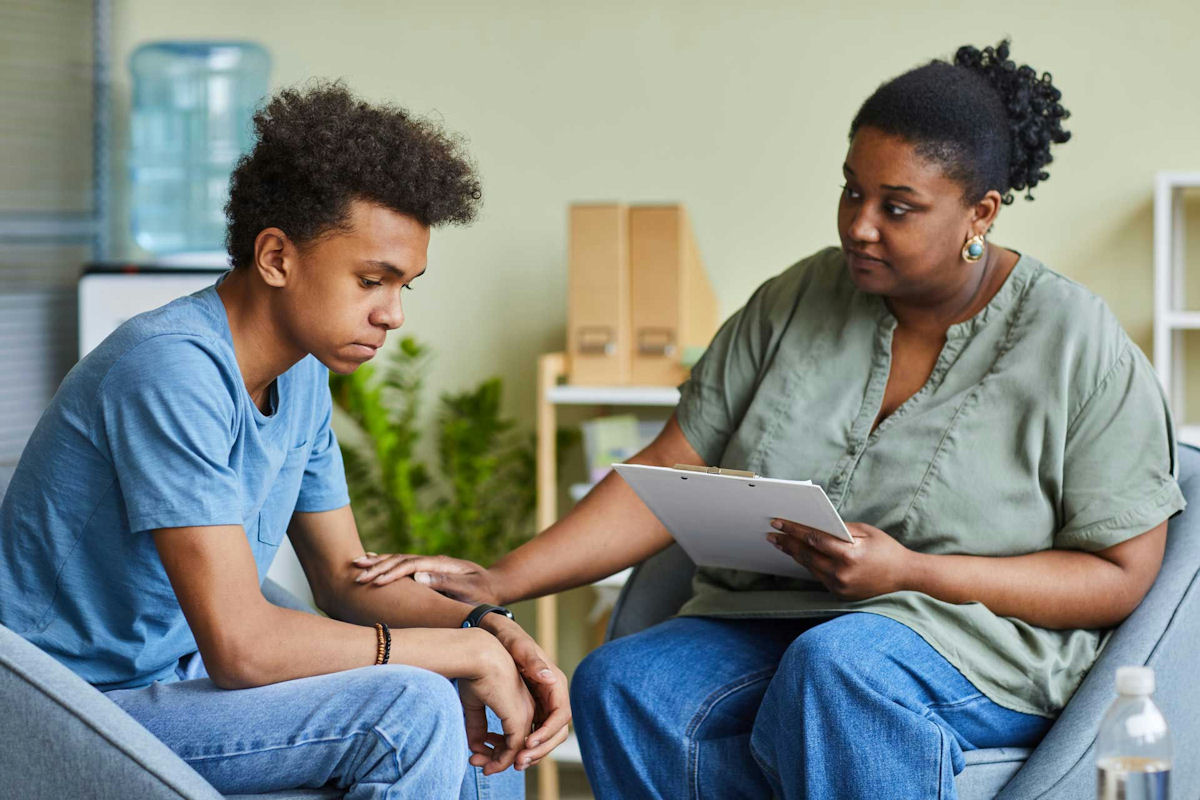
Boys often struggle to express mental health needs because emotional awareness, communication, and help-seeking are shaped by both development and social expectations. Many are taught, directly or indirectly, that showing vulnerability is a weakness, which can make it harder to name or share what they are feeling.
As a result, boys may not have the language to describe emotions like anxiety, sadness, or overwhelm. Instead, distress is more likely to show up through behavior such as anger, withdrawal, or risk-taking. Fear of judgment from peers or adults can also make them less likely to speak openly, even when they want support.
These barriers don’t mean boys don’t need help; they often mean they need environments where communication feels safe, nonjudgmental, and consistent enough for trust to build over time.
Cultural Expectations
Many boys grow up believing that emotions are a weakness. This makes it harder to recognize internal struggles or ask for help when needed.
Emotional Masking
When boys cannot express feelings directly, emotions often come out through behavior. Risk-taking, anger, substance use, or withdrawal may be coping mechanisms for emotional pain.
Communication Barriers
Boys may lack emotional vocabulary or fear judgment from peers. They may also believe that talking about feelings will make them appear weak. Supportive, non-judgmental environments increase the likelihood that they will open up.
Warning Signs of Boys’ Mental Health Issues
Warning signs of mental health challenges in boys are not always obvious and often show up through changes in behavior, mood, or daily functioning. Recognizing these early shifts can help parents and caregivers identify when a boy may be struggling and needs additional support.
Mood and Behavior Changes
Watch for shifts such as increased irritability, sadness, emotional numbness, or withdrawal from family and friends. Even subtle personality changes can signal distress.
Academic Decline
A drop in grades, lack of focus, or school refusal may indicate anxiety, depression, or attention-related difficulties. These are often emotional issues, not la ack of effort.
Risk-Taking and Aggression
Reckless behavior, substance use, or aggression can be signs of emotional dysregulation. These behaviors often signal unmet mental health needs.
Difficulty with Focus and Emotional Control
Trouble concentrating, frequent emotional outbursts, or inability to calm down after conflict may indicate ADHD, trauma, or anxiety-related conditions.
Supporting Boys’ Mental Health at Home
Supporting boys’ mental health at home begins with creating a safe, supportive environment where they feel understood and not judged. Even small, consistent actions can help boys open up and build healthier coping skills.
Build Open Communication
Consistent, low-pressure conversations help boys feel safe. Talking during activities like driving or walking often works better than formal sit-down discussions.
Listening without immediately correcting or solving problems encourages openness.
Encourage Emotional Expression
Helping boys name emotions and validate their experiences builds emotional awareness. Activities like sports, journaling, music, or art can help them process feelings in healthy ways.
Model Healthy Coping
Boys learn from adult behavior. Demonstrating calm responses to stress, asking for help, and expressing emotions appropriately teach valuable coping skills.
Provide Structure and Boundaries
Predictable routines reduce stress and improve stability. Clear expectations around school, sleep, and responsibilities help boys feel secure and supported.
Professional Support for Boys’ Mental Health
Professional support for boys’ mental health provides structured care, clinical expertise, and evidence-based strategies to help boys better understand and manage their emotions and behaviors.
Therapy and Evidence-Based Treatment
Approaches such as Cognitive Behavioral Therapy (CBT) and Dialectical Behavior Therapy (DBT) help boys understand thoughts, regulate emotions, and change behavior patterns. Structured programs reinforce these skills consistently.
Research from SAMHSA shows that structured adolescent treatment improves emotional regulation, behavior, and academic performance.
Peer Support
Group therapy helps boys realize they are not alone. It also builds communication skills, empathy, and healthy peer connections.
Academic Integration
Mental health treatment paired with academic support helps boys stay on track in school and reduces the stress of falling behind.
When to Seek Help
Professional support is recommended when symptoms last more than two weeks, disrupt daily functioning, or involve self-harm risk. Early evaluation does not always mean residential care—it helps identify the right level of support.
Boys’ Mental Health Treatment at Braveminds Academy
Braveminds Academy is a residential treatment center in Largo, Florida, serving boys ages 11–17. The program focuses on mental health, behavioral challenges, and co-occurring disorders.
Clinical Approach
Treatment includes evidence-based therapies such as CBT, DBT, mindfulness practices, and trauma-informed care. Each plan is individualized based on the boy’s needs and goals.
The 24/7 structured environment provides safety, supervision, and consistent therapeutic support.
Gender-Responsive Care
Programs are designed specifically for adolescent boys, addressing how they experience and express emotional distress. This approach improves engagement and treatment outcomes.
Family Involvement
Families are active participants in treatment through therapy sessions, education, and discharge planning. This ensures progress continues at home after treatment ends.
Academic and Life Skills Support
Academic programming is integrated into treatment so boys can continue learning while receiving care. Focus is also placed on building coping skills, emotional regulation, and long-term resilience.
Supporting Long-Term Recovery

Supporting long-term recovery means continuing care and structure beyond treatment so boys can maintain progress, build resilience, and apply the skills they’ve learned in everyday life.
Family Engagement
Families are included in treatment planning from the start. This collaboration ensures consistency between treatment goals and home life.
Tools for Parents
Parents receive guidance on communication, boundaries, and crisis response. These tools help maintain progress after discharge.
Education and Understanding
Psychoeducation helps families understand adolescent development, trauma responses, and mental health conditions, improving long-term support at home.
Boys Mental Health FAQs
We answer common questions parents and caregivers have about symptoms, warning signs, treatment options, and when to seek professional support.
What are common mental health issues in boys?
ADHD, anxiety, depression, conduct disorders, trauma-related conditions, and substance use are among the most common.
How do I know if my son needs help?
Look for persistent mood changes, withdrawal, academic decline, aggression, or risk-taking. If symptoms last more than two weeks, seek evaluation.
How are boys different from girls in mental health?
Boys often externalize distress through behavior, while girls may internalize emotions. Boys are also less likely to seek help due to cultural expectations.
What does residential treatment involve?
It includes structured daily care, therapy, academic support, and family involvement in a safe, supervised environment.
Why is early intervention important?
Early support reduces symptom severity, improves functioning, and lowers long-term risks such as substance use and self-harm.
Take the Next Step
If your son is struggling with emotional, behavioral, or mental health challenges, support is available. Braveminds Academy in Largo, FL, provides structured residential treatment designed specifically for adolescent boys, combining clinical care, education, and family involvement.
Reaching out early can make a meaningful difference in your son’s recovery and long-term well-being.

Dr. W. Nate Upshaw is a psychiatrist with over 20 years of experience across inpatient psychiatry, VA hospitals, academic medicine, and private practice. A Tulane University School of Medicine graduate and former University of South Florida faculty member, he specializes in complex and treatment-resistant conditions, including PTSD, depression. He is also trained in advanced interventional treatments such as TMS, ECT, and Spravato®, and currently serves as Medical Director at Braveminds Academy as well as Turnwell Mental Health of Charleston and Tampa Bay, focusing on personalized, high-precision psychiatric care.