
Residential Treatment for Teen Boys in Largo, FL
Residential treatment for teen boys is a structured, live-in level of care designed for adolescent males who need more support than weekly therapy or outpatient programs can provide. It offers 24/7 clinical supervision, individualized treatment, and a safe environment where teens can focus entirely on healing. For many families, it represents a turning point after months or years of watching their son struggle.
According to the National Institute of Mental Health, nearly one in five adolescents in the United States lives with a mental health condition, and many do not receive adequate care. When challenges become severe, private residential care for teens provides the intensity, consistency, and supportive environment that outpatient settings cannot always match. It is not a last resort; it is the right level of care at the right time.
Braveminds Academy is a residential treatment center in Largo, Florida, serving adolescent boys ages 11–17. The program combines clinical excellence, family involvement, and structured daily support to help young men build the skills they need for lasting progress. Families can explore Braveminds Academy to learn more about what treatment looks like from day one.
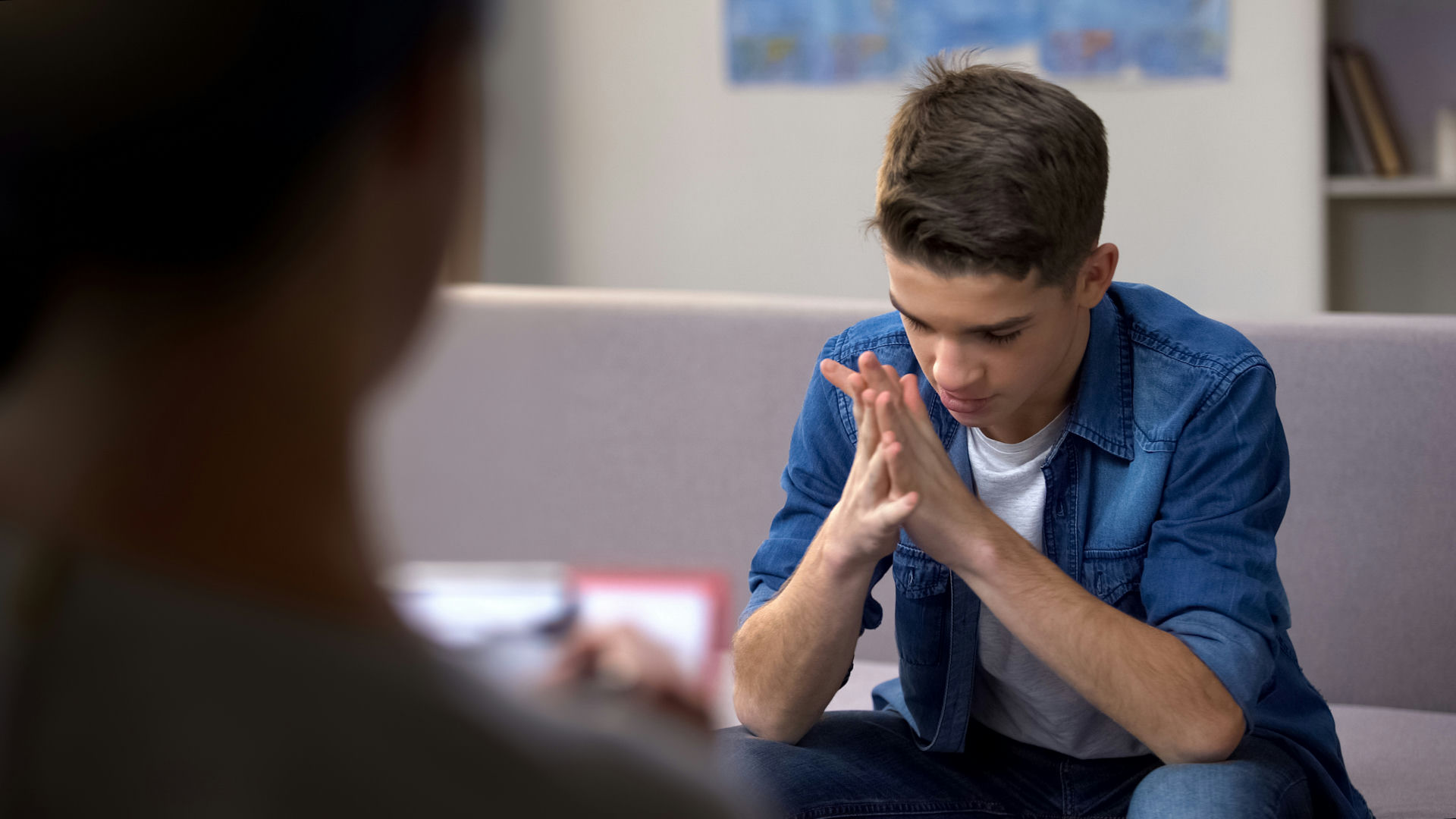
What is Residential Treatment?
Residential treatment for teen boys is a higher level of behavioral health care where teens live on-site at a treatment facility while receiving clinical, academic, and family support. It is designed for adolescents whose needs exceed what outpatient care can safely address.
Residential treatment means a teen boy lives at the treatment center full-time during the program. He receives daily therapy, psychiatric support when needed, academic coordination, and structured activities—all within a safe and supervised environment.’
This level of care removes the teen from environments that may be contributing to his struggles, creating the consistency and stability that many adolescent boys need to begin making real progress.
Outpatient care involves scheduled therapy sessions while the teen continues living at home. Residential treatment provides 24/7 support—a significant difference for teens who are in crisis or who have not responded to outpatient approaches.
The key distinctions include:
- Outpatient: Weekly or daily sessions; teen lives at home
- Residential: Full-time, live-in care with round-the-clock supervision
- Outpatient: Best for mild to moderate challenges
- Residential: Designed for moderate to severe or complex needs
A residential program provides a predictable daily schedule that helps teens feel safe and grounded. Structure is not about control—it is about creating the conditions where healing can happen.
At Braveminds Academy, the therapeutic environment is designed to be both clinically effective and genuinely supportive. Teen boys are treated with dignity, and every element of the program is built to help them grow.
How Residential Treatment Helps Teen Boys Thrive
Residential treatment does more than stabilize a crisis. It gives teen boys the tools, insight, and support they need to build a healthier life. The benefits extend well beyond the program itself.
A gender-specific program allows teen boys to engage more openly in therapy without the social pressures that can come with mixed-gender settings. Many adolescent males find it easier to be vulnerable and honest when surrounded by peers who share similar experiences.
At Braveminds Academy, the program is built around the specific developmental, emotional, and social needs of adolescent boys. This focus allows the clinical team to tailor interventions that are more relevant and effective.
Many teen boys who enter residential treatment have never been taught healthy ways to manage stress, frustration, or emotional pain. Residential care provides the time and support needed to learn and practice these skills every day.
Through DBT, mindfulness, and individual therapy, teen boys develop the ability to identify their emotions, tolerate distress, and respond rather than react—skills that serve them for life.
Residential treatment teaches teen boys how to take responsibility for their choices and behavior. A structured daily schedule, clear expectations, and consistent consequences help adolescents develop the self-discipline they need to succeed.
Life skills training is also a core component. Teen boys learn practical skills including communication, problem-solving, time management, and healthy relationship-building—all within a supportive environment.
Many teen boys enter treatment stuck in cycles of behavior that are harmful to themselves and their families. Residential care removes them from the environments and relationships that reinforce those patterns.
With distance, structure, and consistent clinical support, teen boys can begin to see their behavior more clearly and make different choices. This shift is often the foundation of lasting recovery.

The Role of Family in Residential Treatment
Family involvement is not optional at Braveminds Academy—it is a core part of the treatment model. Research consistently shows that teens make more lasting progress when their families are actively engaged in the process.
Parents and guardians are kept informed throughout their son’s treatment. Regular communication with the clinical team helps families understand what their teen is working on and how they can support their progress.
Family involvement also helps parents process their own stress and grief. Many parents arrive exhausted and overwhelmed. The treatment team at Braveminds Academy recognizes that healing is a family process, not just an individual one.
Structured family therapy sessions are built into the residential program. These sessions focus on repairing trust, improving communication, and addressing the family dynamics that may have contributed to the teen’s challenges.
Families leave these sessions with practical tools and a clearer understanding of how to support their son—both during treatment and after he returns home.
The transition from residential treatment back to home life is a critical moment. Without proper planning, teens can quickly return to old patterns. Braveminds Academy prepares both the teen and his family for this transition well before discharge.
Step-down planning, aftercare coordination, and continued family support help ensure that the progress made in residential treatment carries forward into everyday life.
How to Choose the Best Residential Treatment Center
Choosing a residential treatment center is one of the most important decisions a parent will make. The right program can change the trajectory of a young man’s life.
Parents should look for programs that offer:
- Age-appropriate programming for adolescent boys
- Licensed and credentialed clinical staff
- Individualized treatment planning
- Mental health and substance use support
- Family therapy and regular communication
- Academic coordination
- A safe, structured, and therapeutic environment
- Clear discharge and aftercare planning
Before enrolling a teen in any residential program, parents should ask:
- What clinical approaches does the program use?
- How is family involvement structured?
- What happens if my son’s needs change during treatment?
- How is academic progress supported?
- What does the transition home look like?
- Is the program licensed and accredited?
Braveminds Academy is built on the belief that every young man has the potential to grow. The program combines clinical rigor with genuine compassion, and every member of the team is committed to helping teen boys and their families move toward a healthier future. Families navigating insurance for the first time will find dedicated support and guidance throughout the admissions process.

Start Residential Treatment in Largo, Florida
Taking the first step toward residential treatment can feel overwhelming. Braveminds Academy is here to make that step as clear and supported as possible. Parents do not have to figure this out alone.
Families can contact Braveminds Academy to schedule a confidential consultation and clinical assessment. This conversation helps the team understand the teen’s needs and determine whether residential treatment is the right fit.
There is no pressure and no obligation. The goal is simply to give families the information they need to make the best decision for their son.
After the initial consultation, the admissions team will guide families through the next steps—including insurance verification, clinical intake, and program orientation. The process is designed to be straightforward and supportive.
Parents are encouraged to ask questions, share concerns, and take the time they need. The team at Braveminds Academy is experienced in helping families navigate this process with clarity and confidence.
Braveminds Academy is committed to protecting the privacy of every teen and family it serves. All consultations and treatment records are handled with strict confidentiality in accordance with federal and state regulations.
Every young man who walks through the doors of Braveminds Academy is treated with dignity, respect, and genuine care. The program’s promise is simple: to provide the highest quality residential treatment for teen boys, with compassion at the center of everything. Families ready to take the next step can reach out to Braveminds Academy to begin the conversation today.
Why Parents Choose Braveminds Academy
Families choose Braveminds Academy because our program is designed specifically for adolescent boys.
Key features include:
- Residential treatment environment
- Individualized treatment planning
- Evidence-based therapies
- Family involvement
- Academic coordination
- Structured daily routines
- Trauma-informed care
- Experienced clinical team
Our goal is to help young men develop the emotional skills, confidence, and resilience necessary for long-term success.
Frequently Asked Questions
The length of residential treatment depends on the teen’s individual needs, clinical progress, and family goals. At Braveminds Academy, programs generally range from 30 to 90 days, though the timeline is adjusted based on each young man’s situation and clinical recommendations.
Residential programs for teen boys commonly address depression, anxiety, trauma, mood disorders, ADHD, self-harm, suicidal ideation, and co-occurring dual diagnosis conditions. Braveminds Academy provides individualized treatment for a wide range of mental health and behavioral challenges in adolescent boys ages 11–17.
Families are actively involved through regular communication with the clinical team, structured family therapy sessions, and transition planning. At Braveminds Academy, family involvement is considered essential to lasting progress—not an optional add-on.
Parents should prioritize programs with licensed clinical staff, individualized treatment plans, family involvement, academic support, and clear aftercare planning. A gender-specific program with demonstrated experience treating adolescent boys is also an important consideration.
Many residential treatment programs are covered in part or in full by major insurance plans. Braveminds Academy works with Humana, Aetna, BCBS, UHC, and Tricare, and the admissions team can verify your son’s benefits before treatment begins.
After completing residential treatment, teens typically transition to a lower level of care such as outpatient therapy or an intensive outpatient program (IOP). Braveminds Academy provides discharge planning and aftercare coordination to support a smooth and successful transition home.
References
https://www.nimh.nih.gov/health/statistics/mental-illness
https://www.ncbi.nlm.nih.gov/books/NBK608531/ https://www.cdc.gov/children-mental-health/data-research/index.html
https://www.ncbi.nlm.nih.gov/books/NBK424859/
https://www.samhsa.gov/mental-health/children-and-families/school-health/resources
https://library.samhsa.gov/sites/default/files/pep20-06-02-001.pdf
https://pmc.ncbi.nlm.nih.gov/articles/PMC7192024/
https://nam.edu/perspectives/unleashing-the-power-of-prevention/ https://pmc.ncbi.nlm.nih.gov/articles/PMC9600165/
https://farrnet.missouri.edu/recent-findings/how-parent-teen-relationships-evolve-overtime
https://youth.gov/youth-topics/family-engagement/impact
https://www.psu.edu/news/research/story/time-parents-important-teens-well-being
https://www.gse.harvard.edu/ideas/usable-knowledge/23/03/case-strong-family-and-community-engagement-schools
https://developingadolescent.semel.ucla.edu/topics/item/science-about-parenting-adolescent
A Simple and Supportive Admissions Process

Dr. W. Nate Upshaw is a psychiatrist with over 20 years of experience across inpatient psychiatry, VA hospitals, academic medicine, and private practice. A Tulane University School of Medicine graduate and former University of South Florida faculty member, he specializes in complex and treatment-resistant conditions, including PTSD, depression. He is also trained in advanced interventional treatments such as TMS, ECT, and Spravato®, and currently serves as Medical Director at Braveminds Academy as well as Turnwell Mental Health of Charleston and Tampa Bay, focusing on personalized, high-precision psychiatric care.