
Evaluating a teen residential treatment program means looking past the marketing language to a specific set of operational and clinical details. The programs that produce better outcomes tend to share several concrete traits: integrated dual diagnosis capability, low staff-to-client ratios, accredited on-site academics, regular family involvement, and individualized length-of-stay planning rather than a fixed program length for every client.
Key Takeaways
- Dual diagnosis capability matters more than a program’s overall size or reputation. Ask specifically how co-occurring mental health and substance use conditions are treated together, not sequentially.
- Staff-to-client ratio is one of the clearest predictors of individualized attention. Ask for the actual number, not a range.
- On-site academics should be accredited and integrated into daily structure, not an afterthought.
- Family therapy frequency varies widely across programs. Weekly involvement is a stronger standard than monthly.
- Length of stay should be based on clinical progress, typically in a 30 to 90+ day range, not a fixed calendar regardless of individual need.
Dual Diagnosis Capability
Many adolescents entering residential treatment have both a mental health condition and a substance use concern. Programs that treat these separately, or that refer out for one of the two, tend to see higher relapse and readmission rates than programs with integrated dual diagnosis treatment on-site. Ask directly whether the same clinical team manages both conditions concurrently.
Staff-to-Client Ratios
Lower ratios generally allow for more individualized clinical attention and faster response to a crisis or setback. Ratios vary significantly by program and by shift (daytime versus overnight), so ask for both figures rather than a single averaged number.
On-Site Academics
Extended time away from school is one of the biggest parent concerns with residential treatment. Programs with accredited on-site academics allow a teen to keep pace with, or in some cases catch up on, coursework during treatment. Ask whether credits transfer back to the home school district and who verifies accreditation.

Family Therapy Involvement
Family involvement is consistently associated with better post-discharge outcomes. Ask how often family therapy sessions occur, whether they’re in person or virtual, and whether siblings are included when clinically appropriate.
Individualized Length-of-Stay Planning
A program that assigns the same length of stay to every client regardless of presenting need is optimizing for scheduling, not clinical outcome. Ask how length-of-stay decisions are made and how often they’re reassessed during treatment.
Accreditation and Licensing
Accreditation from an outside body such as The Joint Commission indicates a program has met defined clinical and safety standards verified by an independent review. Separately, membership in a trade association such as NATSAP reflects adherence to a published set of ethical principles, though NATSAP itself is not an accrediting or licensing body. Ask a program to specify which of these it holds, since the two indicate different things.
Insurance and Cost Transparency
Ask for a clear breakdown of what insurance is expected to cover, what typically falls to out-of-pocket cost, and whether the program has in-house staff who handle insurance verification and coordination before admission.
Questions to Ask Before Enrolling
- How does the program treat co-occurring mental health and substance use conditions together, specifically?
- What is the actual staff-to-client ratio, both daytime and overnight?
- Is on-site academic programming accredited, and do credits transfer back to my teen’s home school?
- How often does family therapy occur, and in what format?
- How is length of stay determined, and how often is it reassessed?
- What accreditation does the program hold, and from which body?
- What does insurance coordination look like before and during admission?
How Braveminds Academy Approaches These Criteria
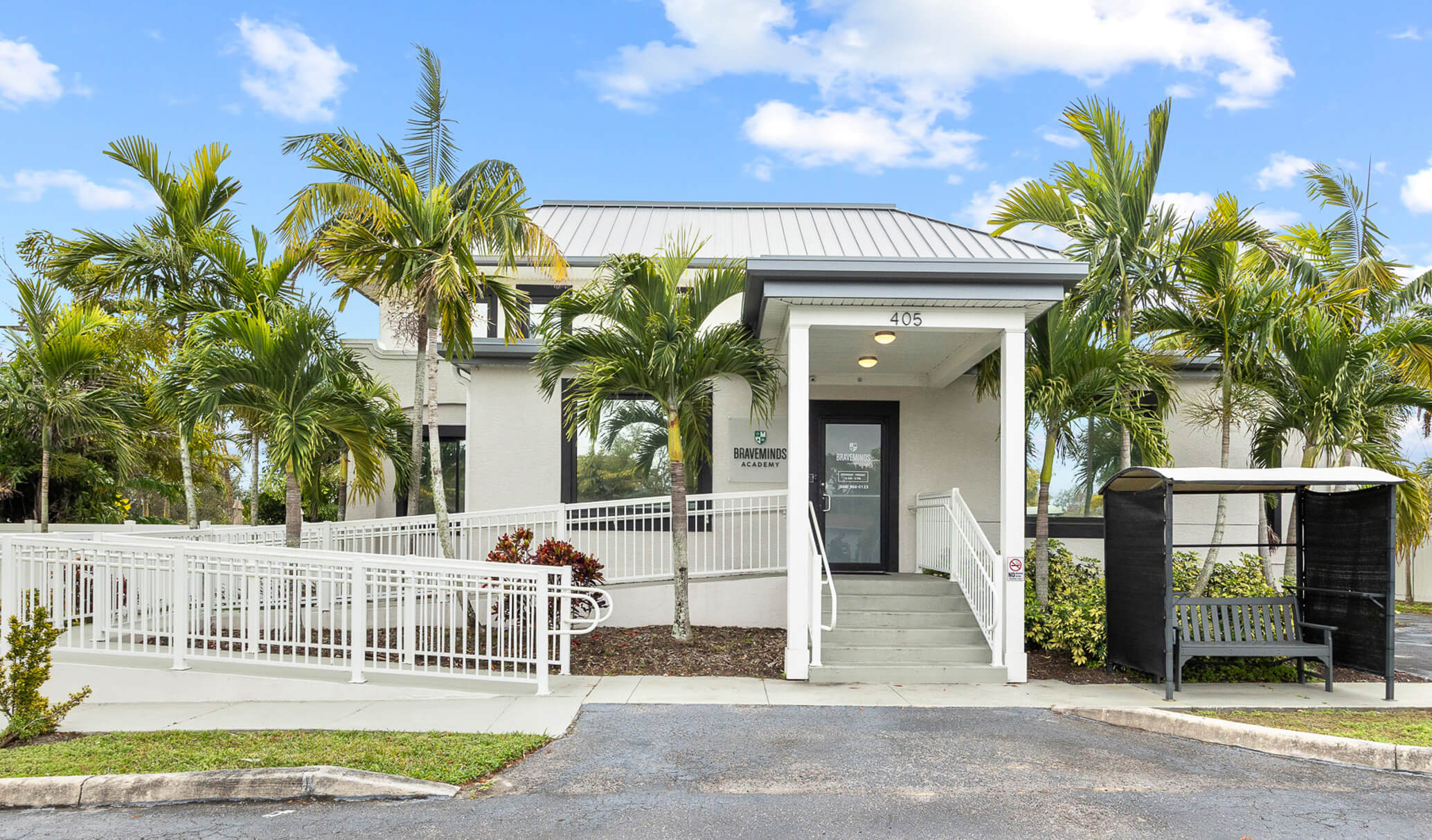
Braveminds Academy integrates dual diagnosis treatment, maintains low staff-to-client ratios, provides accredited on-site academics, and holds weekly family therapy as standard rather than optional. Length of stay is individualized within a 30 to 90+ day range based on clinical progress rather than a fixed program calendar. Learn more about the residential treatment program.

Dr. W. Nate Upshaw is a psychiatrist with over 20 years of experience across inpatient psychiatry, VA hospitals, academic medicine, and private practice. A Tulane University School of Medicine graduate and former University of South Florida faculty member, he specializes in complex and treatment-resistant conditions, including PTSD, depression. He is also trained in advanced interventional treatments such as TMS, ECT, and Spravato®, and currently serves as Medical Director at Braveminds Academy as well as Turnwell Mental Health of Charleston and Tampa Bay, focusing on personalized, high-precision psychiatric care.