
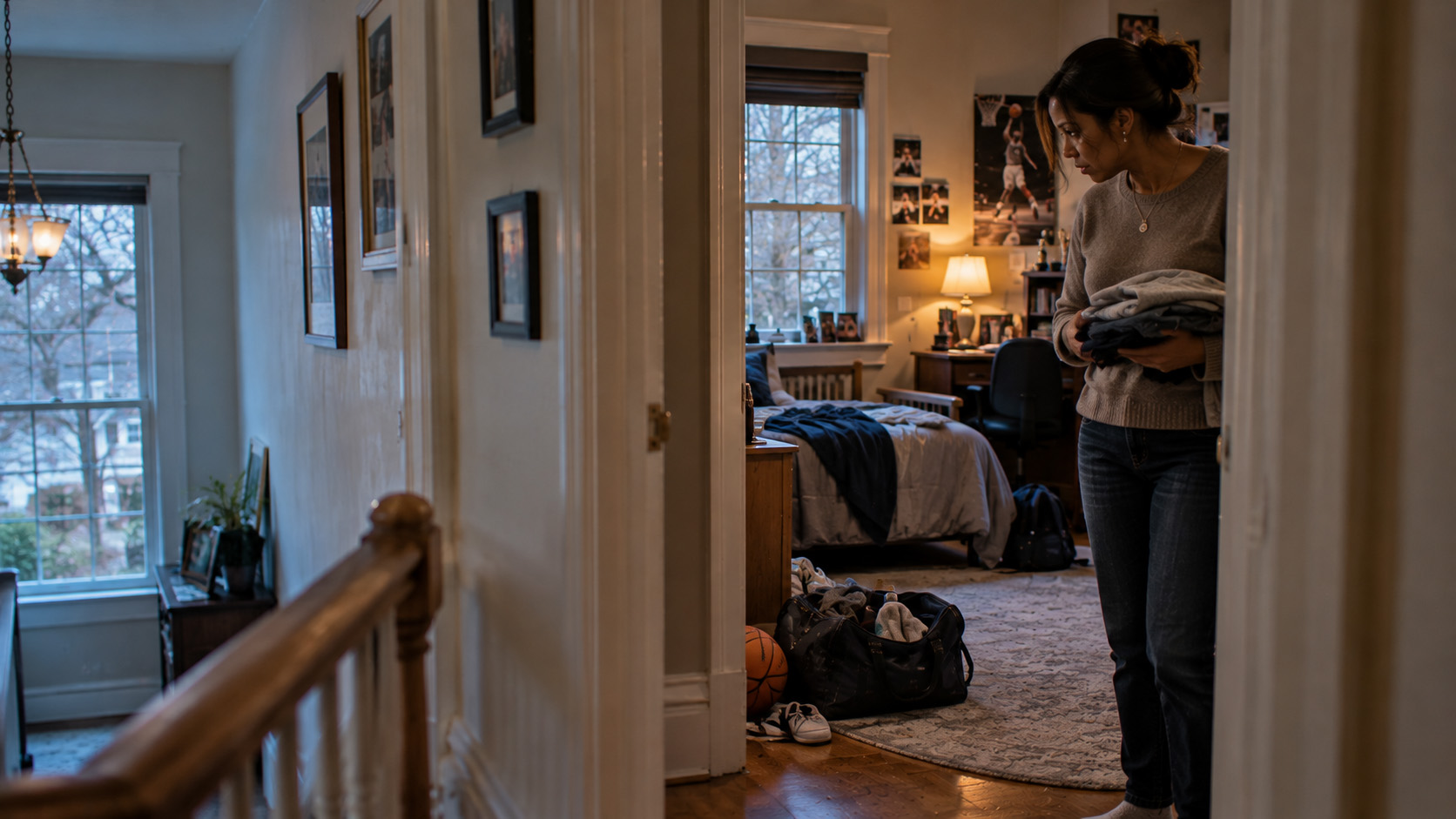
Finding alcohol in your teenage son’s room is frightening, but a calm first response matters more than a perfect one. A teenage son drinking alcohol once or twice is a different situation from a pattern, and the next few days are about finding out which one you are dealing with. Stay calm, remove the alcohol, wait until he is sober to talk, and ask what is going on before you decide on consequences. If he is drinking often, alone, or to cope with how he feels, bring in his pediatrician or a counselor.
Key Takeaways
- Your first reaction sets the tone. Calm and curious works better than angry and accusing.
- Do not have the main conversation while he is intoxicated. Make sure he is safe, then talk the next day.
- One incident of experimenting is not the same as a pattern. Frequency, drinking alone, drinking to cope, and blackouts are the warning signs.
- Alcohol use in teens often has something underneath it, such as anxiety, depression, trauma, or social pressure.
- Signs of alcohol poisoning, such as being unresponsive or slow breathing, are a 911 emergency.
What Parents Are Seeing
- Bottles, cans, or flasks hidden in a closet, backpack, or under the bed
- The smell of alcohol, or heavy use of gum, mints, or cologne to cover it
- Alcohol missing from the house, or watered-down bottles
- Changes in mood, a new friend group, or secrecy about where he has been
- Slipping grades, missed school, or loss of interest in sports and hobbies
- Red eyes, slurred speech, unsteady walking, or unexplained hangover-like mornings
 What May Be Underneath It
Experimentation and peer pressure
Many teens try alcohol out of curiosity or because friends are drinking. This is the most common explanation, and it still needs a clear response, but it usually looks different from a pattern: occasional, social, and without major changes in mood or school.
Using alcohol to cope
A teen who is anxious, low, or overwhelmed may drink because it takes the edge off. In these cases the drinking is a symptom, and treating only the drinking tends not to last. See anxiety in teens and Is My Teenage Son Depressed, or Just Going Through a Phase?
Trauma or a major loss
A death, a divorce, bullying, or a frightening experience can lead a teen to drink to numb feelings he cannot name. Learn more about trauma and PTSD in teens.
ADHD and impulsivity
Teens with ADHD are more likely to take risks and to feel the pull of substances. Learn more about ADHD in teens.
Family history
A family history of alcohol or drug problems raises a teen’s risk. That does not mean he will develop a problem, but it is a reason to take early signs seriously.
Other substances
Alcohol is often not the only substance. Ask about vaping, cannabis, and pills, and watch for signs of each. When substance use and a mental health condition occur together, they need to be treated together. Learn more about dual diagnosis care.
When Should I Worry?
Look at the pattern, not just the single incident. These make it more serious:
- Frequency: drinking regularly, not just at an occasional party
- Drinking alone or drinking in the morning or before school
- Drinking to cope: he says it helps him relax, sleep, or stop feeling bad
- Blackouts, or being unable to remember what happened
- Risk-taking: driving, riding with someone who has been drinking, or unsafe situations
- Other substances, or a drop in mood, grades, and friendships alongside the drinking
Call 911 right away if he cannot be woken, is vomiting while unconscious or semi-conscious, has slow or irregular breathing, or has cold, clammy, or bluish skin. Do not leave him to sleep it off. Poison Control (1-800-222-1222) can also advise in an urgent situation.
If he has been drinking heavily and daily, do not simply cut off all alcohol on your own. Stopping suddenly after heavy, regular use can be medically dangerous, so talk with his doctor first.
What Should I Do Now?
- Stay calm and make sure he is safe. Remove the alcohol. If he is intoxicated, check that he is awake, breathing normally, and not alone, and save the conversation for when he is sober.
- Talk privately, when you are both calm. Try: “I found alcohol in your room. I’m not here to blow up at you. I want to understand what’s going on.” Then ask open questions: How long has this been happening? What does it do for you? Who else is involved? Listen more than you lecture.
- Set clear, calm expectations. Be specific about the rule (no alcohol) and the consequences, and keep them proportionate and consistent. Pair the consequences with support, such as time with you, a counselor, or a doctor visit. Lock up or remove alcohol at home. Clear, consistent expectations from parents are associated with less teen drinking.
- Involve his pediatrician. Ask for a confidential substance use screening and a check on his overall health and mood. Pediatricians often use a short screening tool for teens and can recommend a counselor.
- Follow up and watch for a pattern. Check in over the next few weeks. Keep in touch with the school counselor, know where he is and who he is with, and plan how you will respond if it happens again. If it does, treat it as a sign that he needs more than a rule.
When Professional Treatment May Be Appropriate
Many teens who are drinking do well with a combination of parent involvement, a pediatrician, and outpatient counseling. Consider a higher level of care when drinking is frequent or escalating, when anxiety, depression, or trauma are part of the picture, when outpatient care has not worked, or when safety is a concern, such as driving under the influence or blackouts.
A teen who needs medically supervised withdrawal should have that arranged first with a doctor or medical facility. Braveminds Academy does not provide on-site detox. For teens who are medically stable, a residential program that treats mental health and substance use together can provide daily structure, clinical support, and family involvement. Learn more about the residential treatment program.

Dr. W. Nate Upshaw is a psychiatrist with over 20 years of experience across inpatient psychiatry, VA hospitals, academic medicine, and private practice. A Tulane University School of Medicine graduate and former University of South Florida faculty member, he specializes in complex and treatment-resistant conditions, including PTSD, depression. He is also trained in advanced interventional treatments such as TMS, ECT, and Spravato®, and currently serves as Medical Director at Braveminds Academy as well as Turnwell Mental Health of Charleston and Tampa Bay, focusing on personalized, high-precision psychiatric care.