
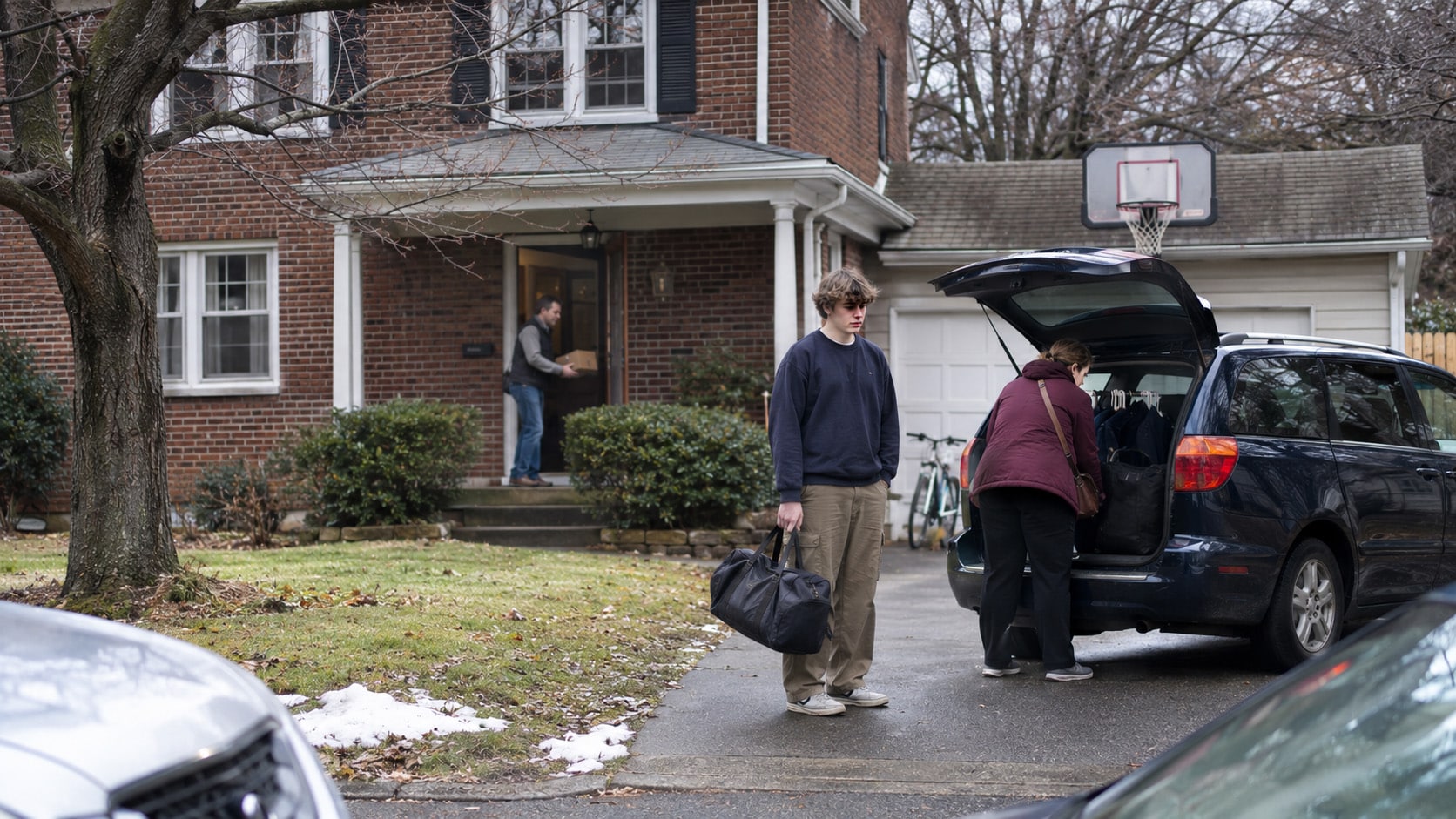
Aftercare after teen residential treatment is the plan that carries a boy’s progress from the program back into real life. A good plan is written before discharge and covers outpatient therapy, psychiatric follow-up if needed, school, home routines, and what to do if symptoms return. Leaving treatment is not the finish line. The weeks right after discharge are when the plan matters most, so ask for it early and in writing.
Key Takeaways
- Aftercare should be planned from the start of treatment, not in the last week.
- Most teens step down gradually, often to outpatient therapy or an intensive outpatient program (IOP), instead of going straight to no support.
- A strong plan names who will see him, when, and what happens if things get worse.
- Home and school need a plan too. Skills learned in treatment hold up best when the family uses them.
- Ups and downs after discharge are common. A setback does not mean treatment failed.
What Parents Are Worried About
- “Will he be okay once he’s home?”
- “What if the old behavior comes back?”
- “Who do I call, and how fast can he be seen?”
- “How does he go back to school?”
- “What should I do differently at home?”
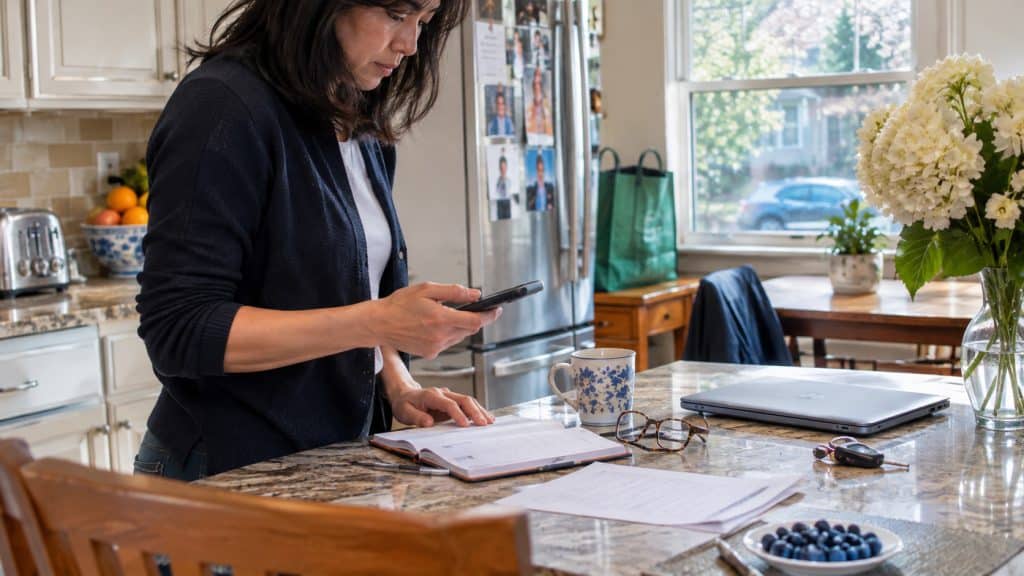 What a Good Aftercare Plan Includes
1. Outpatient therapy lined up before he leaves
An appointment should already be booked with a therapist who works with teens. Ask whether the treatment team will speak with the new therapist directly so nothing is lost in the handoff.
2. Psychiatric follow-up and medication
If he takes medication, the plan should say who prescribes it, when the first follow-up is, and how refills will be handled. Gaps between a program prescriber and a community prescriber are a common problem.
3. A step-down level of care, if appropriate
Many teens move from residential care to a lower level of support, such as an intensive outpatient program, then to weekly therapy. Braveminds Academy provides residential treatment only, so step-down care happens with another provider, and the program includes step-down and aftercare planning. See How Do Residential Treatment, PHP, and IOP Differ for Teens? for how the levels compare.
4. A school plan
The plan should cover records and credits, who at school will be told, and what support he will have when he returns. Some boys do best with a gradual return. Ask the treatment team to coordinate with the school counselor if you give permission.
5. A home plan
Treatment works best when the family reinforces it. That usually means consistent routines, clear expectations, a calm approach to conflict, and continuing the communication skills practiced in family sessions. See Family Involvement at Braveminds Academy.
6. A relapse and warning-sign plan
Write down his early warning signs, what helps, and who to call. Include crisis numbers. Call or text 988 in a crisis, or 911 in an emergency.
The First 30 Days Home
The first month is often the hardest, because the structure of the program is gone and real-life stress returns. A few things help:
- Keep a predictable routine for sleep, meals, school, and screens
- Expect some regression and respond calmly rather than alarmed
- Check in daily with a short, low-pressure conversation
- Keep every scheduled appointment, even when things seem to be going well
- Look after yourself and the rest of the family. Parents need support too.
What Should I Do Now?
- Ask for the aftercare plan early. Request it in writing before or soon after admission, and review it with the team before discharge.
- Book appointments before discharge day. Therapist, prescriber, and any step-down program should have dates on the calendar.
- Visit or call the next provider. Make sure the handoff includes a summary from the treatment team.
- Prepare the home. Talk through routines, expectations, and screen and sleep rules with your son and the rest of the household.
- Save your crisis plan. Keep warning signs, phone numbers, and 988 where you can find them quickly.
Questions to Ask Any Program About Aftercare
- When does discharge planning begin?
- Will we receive a written aftercare plan, and when?
- Do you help schedule the first outpatient and prescriber appointments?
- Do you speak directly with the next provider?
- How do you help with school re-entry?
- What should we do if symptoms return, and who can we call?
- What kind of support is available to our family after discharge?
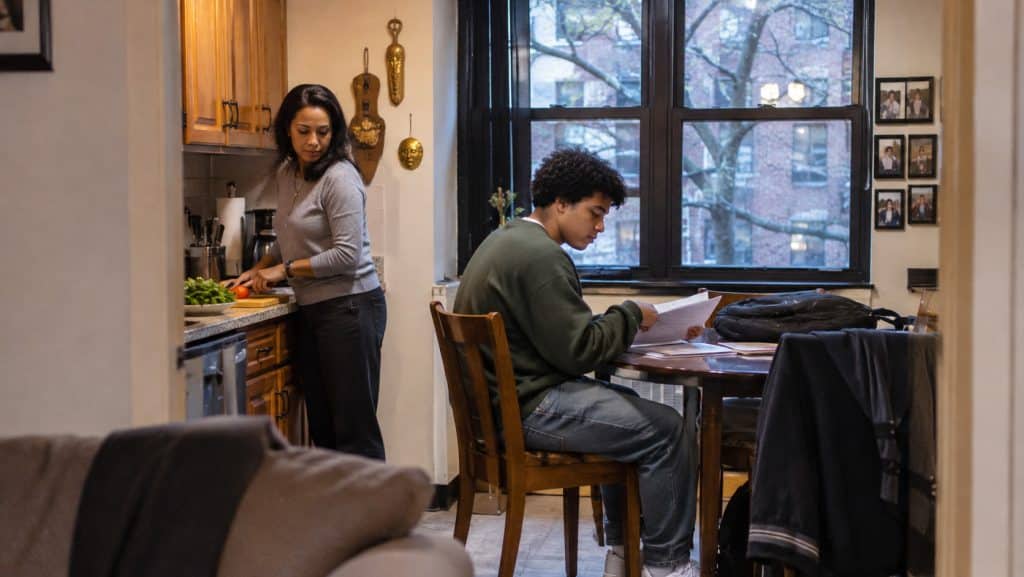 When Residential Treatment May Be Appropriate
Residential treatment is generally considered when safety is a concern, symptoms are severe, or lower levels of care have not been enough. If you are weighing options, read What Should Families Look for in a Teen Residential Treatment Program? and What Actually Happens When a Teenage Boy Starts Residential Treatment? For the program itself, learn more about residential treatment at Braveminds Academy.