
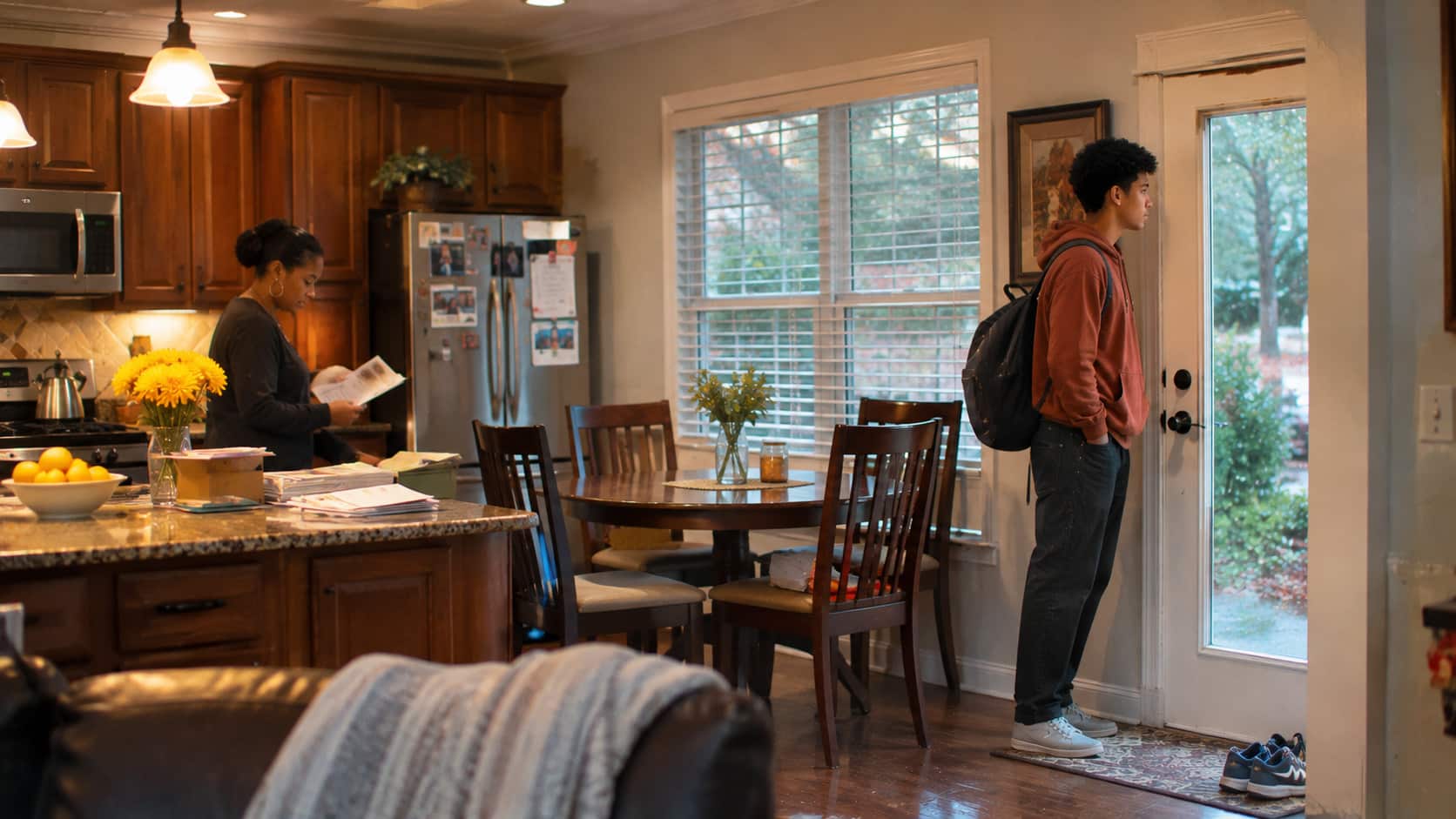
Teen vaping and mental health are closely connected, and the link often runs in both directions. Some boys vape to cope with stress, anxiety, or low mood. Nicotine can then make those feelings harder to manage, because the cycle of cravings and withdrawal shows up as irritability, restlessness, poor sleep, and trouble focusing. If your son is vaping and his mood, school, or behavior has changed, treat the vaping and the mood as one question, not two.
Key Takeaways
- Many teens vape to relieve stress, boredom, or anxiety. Nicotine dependence can then add to the mood problems it was meant to solve.
- Nicotine withdrawal can look like anger, anxiety, or depression, so it is easy to misread.
- Vaping is often a sign of something else, such as anxiety, depression, ADHD, or social pressure.
- Calm, curious conversations work better than punishment and searches.
- If vaping comes with other substances, self-harm, or talk of not wanting to live, get professional help promptly.
What Parents Are Seeing
- A sweet or fruity smell, or unusual cloud-like vapor in his room, car, or clothes
- Small devices, pods, or chargers that look like USB drives or highlighters
- Irritability, restlessness, or anxiety that eases after time alone or a break outside
- Frequent bathroom trips, sneaking out, or leaving class
- Thirst, nosebleeds, or a cough he did not have before
- Falling grades, dropped activities, or new friends
- Spending money he cannot account for
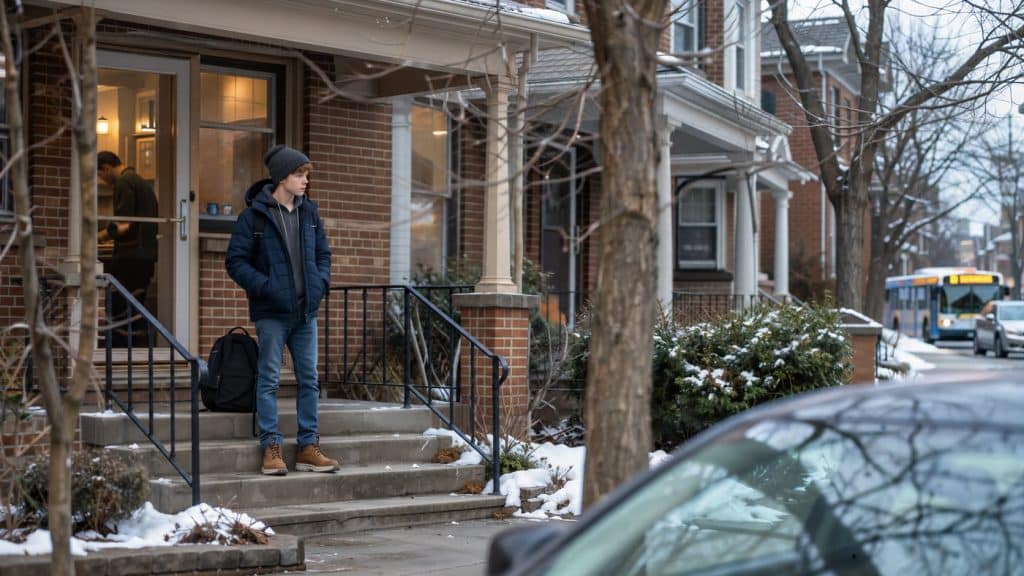 What May Be Underneath It
Anxiety
Nicotine feels calming in the moment, which is why anxious teens are drawn to it. Over time, the crash between hits can feel like anxiety itself. Learn more about anxiety in teens.
Depression
Boys with low mood sometimes vape to feel something or to escape. If he is also withdrawn, sleeping badly, or has lost interest in things, read Is My Teenage Son Depressed, or Just Going Through a Phase?
ADHD
Teens with ADHD can be drawn to nicotine for its short-term effect on focus and restlessness. Learn more about ADHD in teens.
Trauma or chronic stress
A boy who has been through loss, bullying, or a tense home may use vaping to take the edge off. Learn more about trauma and PTSD in teens.
Peer pressure and habit
Some teens start because friends do. Easy access and low smell make the habit quick to build. Social vaping can still become dependence.
When Should I Worry?
Experimenting once is different from regular use. Take it more seriously if:
- Use is frequent: daily vaping, or vaping first thing in the morning
- He cannot stop: he has tried to cut back and could not, or he becomes tense and angry without it
- Mood has changed: new anxiety, low mood, or anger that does not match the situation
- Other substances are involved: alcohol, cannabis, or pills alongside vaping
- Safety is at risk: self-harm, or any talk of death or not wanting to be here
If he talks about wanting to die, call or text 988. See My Teenager Says He Doesn’t Want to Live. What Do I Do?
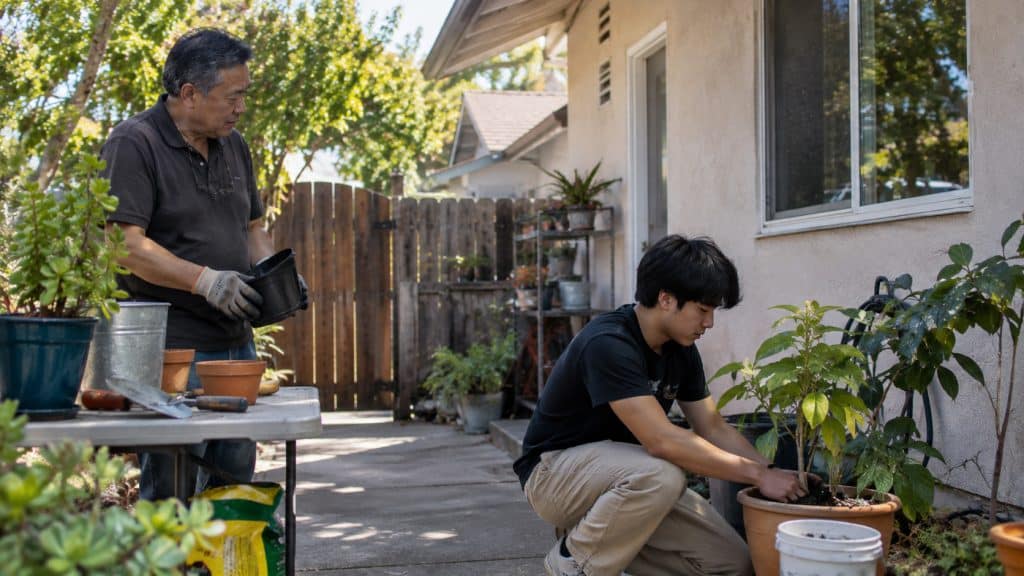 What Should I Do Now?
- Stay calm and pick your moment. Do not confront him when either of you is angry. Choose a quiet time, and open with concern: “I found a vape in your room. I’m not here to blow up. I want to understand what’s going on.”
- Ask why before what. “What does it do for you?” gives you more than “How long has this been going on?” Stress, boredom, anxiety, and friends are common answers.
- Set clear, steady limits. Make the rules simple: no vaping at home or school, and a consequence you can enforce. Pair limits with support so he does not feel only punished.
- Talk to his pediatrician. Ask about the vaping and screen for anxiety and depression at the same visit. A pediatrician can discuss options for stopping and can refer to a therapist.
- Offer help to quit, not just orders. Cravings are real. Quit-support programs designed for teens, and a therapist who works with adolescents, give him tools besides willpower.
When Professional Treatment May Be Appropriate
Many teens do well with outpatient therapy and pediatric support. A higher level of care may be worth considering when vaping sits alongside other substance use, when anxiety, depression, or aggression are severe, when outpatient help has not worked, or when safety is a concern. When a mental health condition and substance use occur together, they generally need to be treated together. Learn more about dual diagnosis care.
Braveminds Academy is a residential program for boys ages 11 to 17. It does not provide on-site detox. Learn more about the residential treatment program.

Dr. W. Nate Upshaw is a psychiatrist with over 20 years of experience across inpatient psychiatry, VA hospitals, academic medicine, and private practice. A Tulane University School of Medicine graduate and former University of South Florida faculty member, he specializes in complex and treatment-resistant conditions, including PTSD, depression. He is also trained in advanced interventional treatments such as TMS, ECT, and Spravato®, and currently serves as Medical Director at Braveminds Academy as well as Turnwell Mental Health of Charleston and Tampa Bay, focusing on personalized, high-precision psychiatric care.