
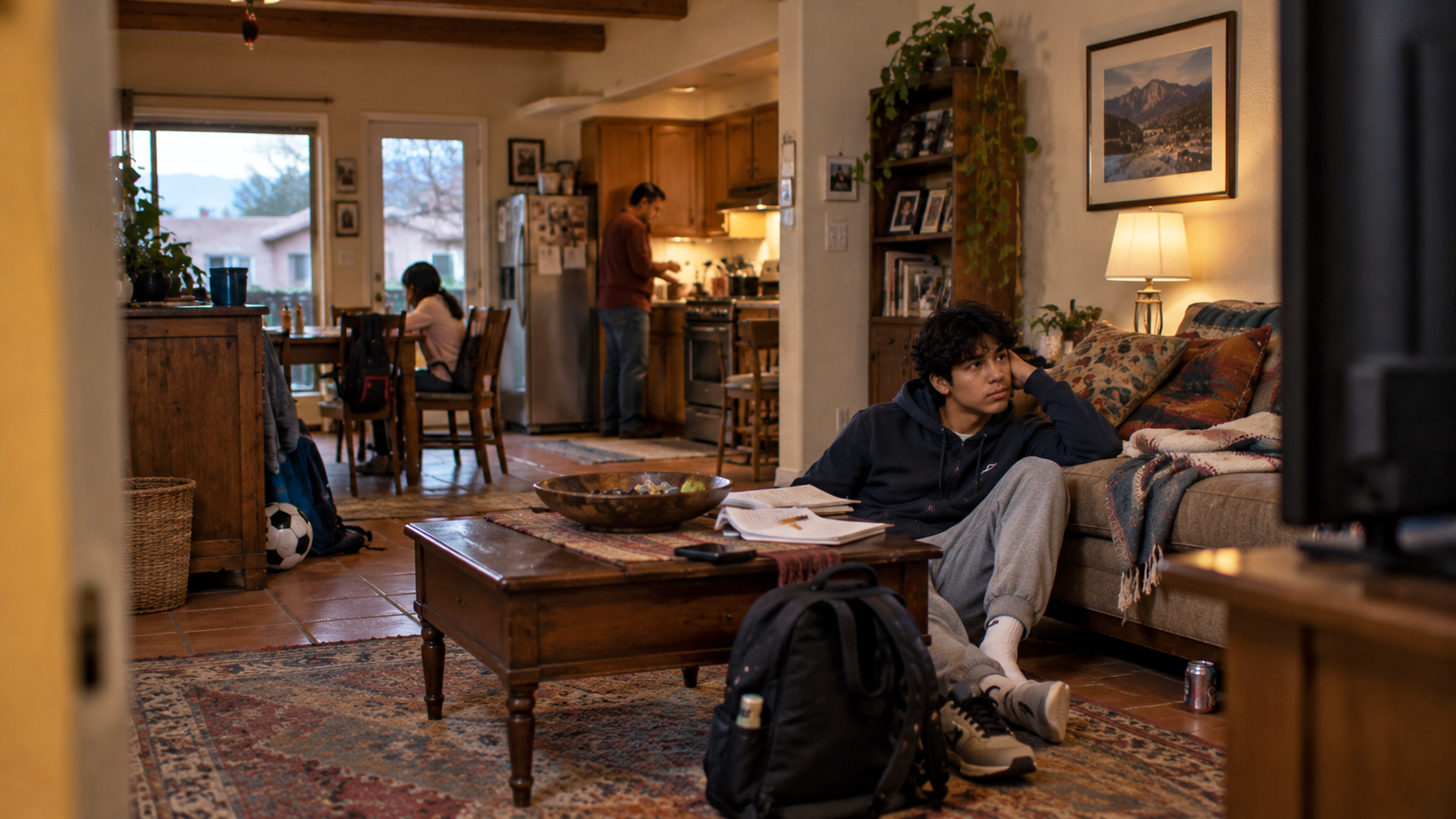
You’ve named the problem, found a therapist, and your son still says no. That’s one of the most common points where parents get stuck. Refusal is rarely about therapy itself. It’s usually about pride, fear of being labeled, distrust of adults right now, or simply not believing anything will help. Understanding which one is driving the refusal changes what actually works to get him there.
Key Takeaways
- Refusal is usually about the idea of therapy, not the specific therapist or process he hasn’t experienced yet.
- Framing matters. “Something is wrong with you” gets resistance. “I want you to have support” gets less.
- Letting him have some say in the choice of therapist increases buy-in significantly.
- Consistent, calm follow-through works better than ultimatums or one big argument.
- If refusal continues alongside safety concerns, a higher level of care may not require his initial buy-in the way outpatient therapy does.
What Parents Are Seeing
- Flat refusal, silence, or “I don’t need that” when therapy comes up
- Anger or feeling accused when a diagnosis or label is mentioned
- Agreeing to one session and then refusing to continue
- Distrust of adults in general, not just the idea of a therapist specifically
- Underlying fear about what a diagnosis might mean for how he’s seen by peers
What May Be Underneath the Refusal
Stigma and identity
Many teenage boys equate needing help with weakness. Refusal is often less about therapy and more about protecting how he sees himself.
Distrust from a past experience
A bad experience with a school counselor, a doctor, or even a previous therapist can make him assume this one will go the same way.
Fear of being blamed or exposed
If he expects therapy to mean airing family conflict or being told what’s wrong with him, refusal can be a form of self-protection.
Underlying depression or anxiety
Low motivation and hopelessness that come with depression can make any new effort, including therapy, feel pointless before it starts.
Feeling forced rather than involved
Teens who had zero say in choosing their therapist are more likely to resist than teens who picked from a short list of options.
 When Should I Worry?
Ongoing refusal becomes urgent when it’s paired with safety concerns: talk of self-harm or suicide, dangerous risk-taking, or a level of withdrawal that’s cutting him off from everyone. In those cases, don’t wait for buy-in before acting. Contact a professional immediately regardless of his willingness.
What Should I Do Now
- Reframe the conversation around support rather than a diagnosis or a problem to fix.
- Offer him a choice between two or three therapists rather than presenting one as final.
- Ask what specifically worries him about going, and address that directly rather than arguing about whether he needs it.
- Suggest a low-stakes first session framed as “just meeting someone,” not a commitment to ongoing therapy.
- If refusal continues after a genuine attempt, consult a professional yourself about next steps, including whether a higher level of care is appropriate.
When Professional Treatment May Be Appropriate
If your son has refused outpatient therapy repeatedly, or if what’s underneath the refusal is serious enough that waiting isn’t safe, a higher level of care can provide structure that doesn’t rely entirely on his initial willingness to participate. Residential treatment often succeeds with teens who resisted outpatient therapy, because the environment itself creates consistent engagement rather than depending on a single weekly appointment he can skip. Learn more about our residential treatment program.

Dr. W. Nate Upshaw is a psychiatrist with over 20 years of experience across inpatient psychiatry, VA hospitals, academic medicine, and private practice. A Tulane University School of Medicine graduate and former University of South Florida faculty member, he specializes in complex and treatment-resistant conditions, including PTSD, depression. He is also trained in advanced interventional treatments such as TMS, ECT, and Spravato®, and currently serves as Medical Director at Braveminds Academy as well as Turnwell Mental Health of Charleston and Tampa Bay, focusing on personalized, high-precision psychiatric care.