

A teenage son isolating himself is not always a problem. Teens need privacy and downtime, and many boys retreat to their rooms to recharge. It becomes a concern when the withdrawal is a change from how he used to be, lasts more than a couple of weeks, and comes with other shifts such as dropping friends, losing interest in things he loved, sleeping or eating differently, or sliding at school. In that case it is worth looking closer and getting help.
Key Takeaways
- Normal privacy is a teen who still connects with people and enjoys things. Withdrawal is a change from his usual self that keeps going.
- Isolation is often a signal of depression, anxiety, bullying, substance use, or screen overuse, not just a bad attitude.
- Pushing harder usually backfires. Low-pressure connection works better than demands to open up.
- Daily structure, such as shared meals and a consistent sleep schedule, helps pull a teen back toward the family.
- Any talk of death, hopelessness, or not wanting to be here needs immediate attention.
What Parents Are Seeing
- Staying in his room most of the day and coming out only for food
- Skipping family meals, outings, and time with relatives
- Dropping friends, or friends who have stopped coming around
- Quitting sports, clubs, or hobbies he used to enjoy
- Short, flat answers, irritability, or snapping when you check in
- Staying up all night on a phone or console and sleeping through the day
- Falling grades, missed assignments, or avoiding school
What May Be Underneath It
Depression
Pulling away is one of the most common signs of depression in teenage boys, who often show it as irritability or silence, not sadness. If withdrawal comes with low energy, a loss of interest, or changes in sleep or appetite, read Is My Teenage Son Depressed, or Just Going Through a Phase? or learn how depression is treated.
Anxiety and social anxiety
A boy who dreads being judged, called on in class, or left out may avoid people altogether, and his room becomes the one place he feels safe. Learn more about anxiety in teens.
Bullying or social conflict
Boys are less likely than girls to say they are being bullied. Sudden changes in friends, phone anxiety, or refusing school can be clues. See Why Won’t My Teenage Son Go to School?
Gaming and social media
Screens can be an escape from real-life stress, and heavy use can also deepen isolation. Look at whether the screen time is a cause or a symptom. Read more about gaming and social media in teen boys.
Substance use
Alcohol, vaping, and drugs often come with secrecy and withdrawal. When substance use and a mental health condition occur together, they need to be treated together. Learn more about dual diagnosis care.
Trauma, loss, or a big change
A death, a divorce, a move, or a frightening experience can lead a teen to pull away from everyone, sometimes weeks or months after the event. Learn more about trauma and PTSD in teens.
 When Should I Worry?
Ask three questions:
- Is it a change? A boy who has always been a homebody is different from one who used to be social and now is not.
- How long? Two weeks or more of pulling away, most days, is a reason to act.
- What else has changed? Look at sleep, eating, hygiene, grades, mood, and interest in things he used to love. When several slip together, it is more than a phase.
Treat it as urgent if he talks about death, hopelessness, being a burden, or not wanting to be here. Call or text 988, and read My Teenager Says He Doesn’t Want to Live. What Do I Do?
What Should I Do Now?
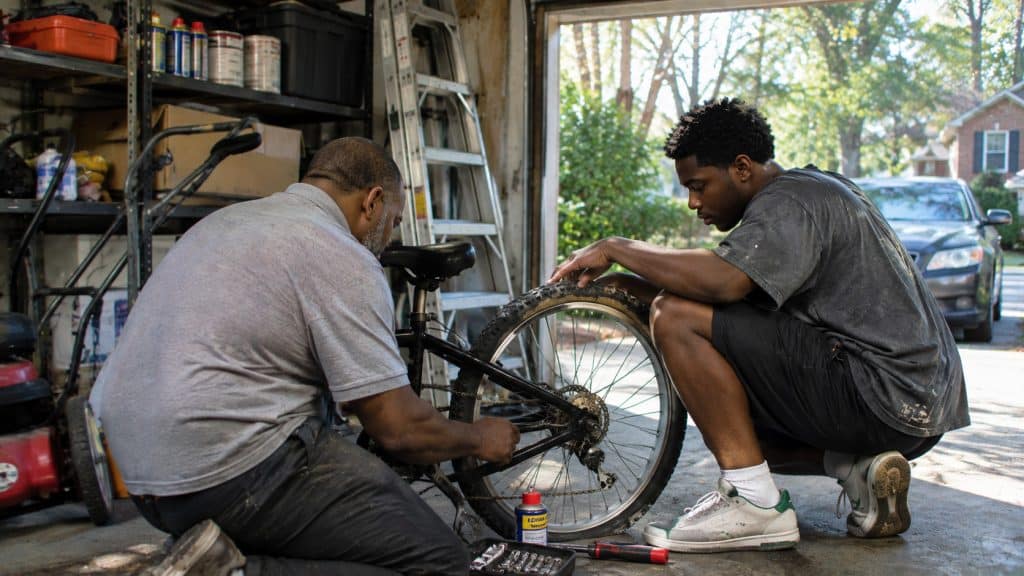
- Connect without an agenda. Spend time beside him, not across from him. A car ride, a walk, a meal, or a game works better than a sit-down talk. Boys often open up while doing something side by side.
- Say what you see, then listen. Try: “I’ve noticed you’ve been keeping to yourself, and I miss you. I’m not mad. I’d like to understand what it’s like for you.” Then stay quiet for longer than feels comfortable, and do not rush to fix.
- Build a daily structure. Keep a few non-negotiables: a regular wake-up and bedtime, a daily meal together, some time outside, and agreed limits on late-night screens. Structure gives him a way back in without having to talk about it first.
- Reopen one door. Rather than “get your friends over,” pick one small step: a short activity, one friend, a cousin, a coach, or a part-time job. Success with one connection makes the next easier.
- Get an evaluation. Book a visit with his pediatrician to rule out physical causes and ask for a depression and anxiety screening. Speak with the school counselor about what they are seeing, and ask for a referral to a therapist who works with teens.
When Professional Treatment May Be Appropriate
If withdrawal has lasted more than a few weeks, is getting worse, or comes with signs of depression, anxiety, substance use, or safety concerns, a professional evaluation is the next step. Many teens do well with therapy and family support. A higher level of care may be worth considering when outpatient treatment has not helped, when he is not attending school, or when his symptoms are severe.
In a residential program, structured routines, group therapy, and daily clinical support can help a teen who has pulled away begin to reconnect with others in a supervised setting. Learn more about the residential treatment program at Braveminds Academy.

Dr. W. Nate Upshaw is a psychiatrist with over 20 years of experience across inpatient psychiatry, VA hospitals, academic medicine, and private practice. A Tulane University School of Medicine graduate and former University of South Florida faculty member, he specializes in complex and treatment-resistant conditions, including PTSD, depression. He is also trained in advanced interventional treatments such as TMS, ECT, and Spravato®, and currently serves as Medical Director at Braveminds Academy as well as Turnwell Mental Health of Charleston and Tampa Bay, focusing on personalized, high-precision psychiatric care.